
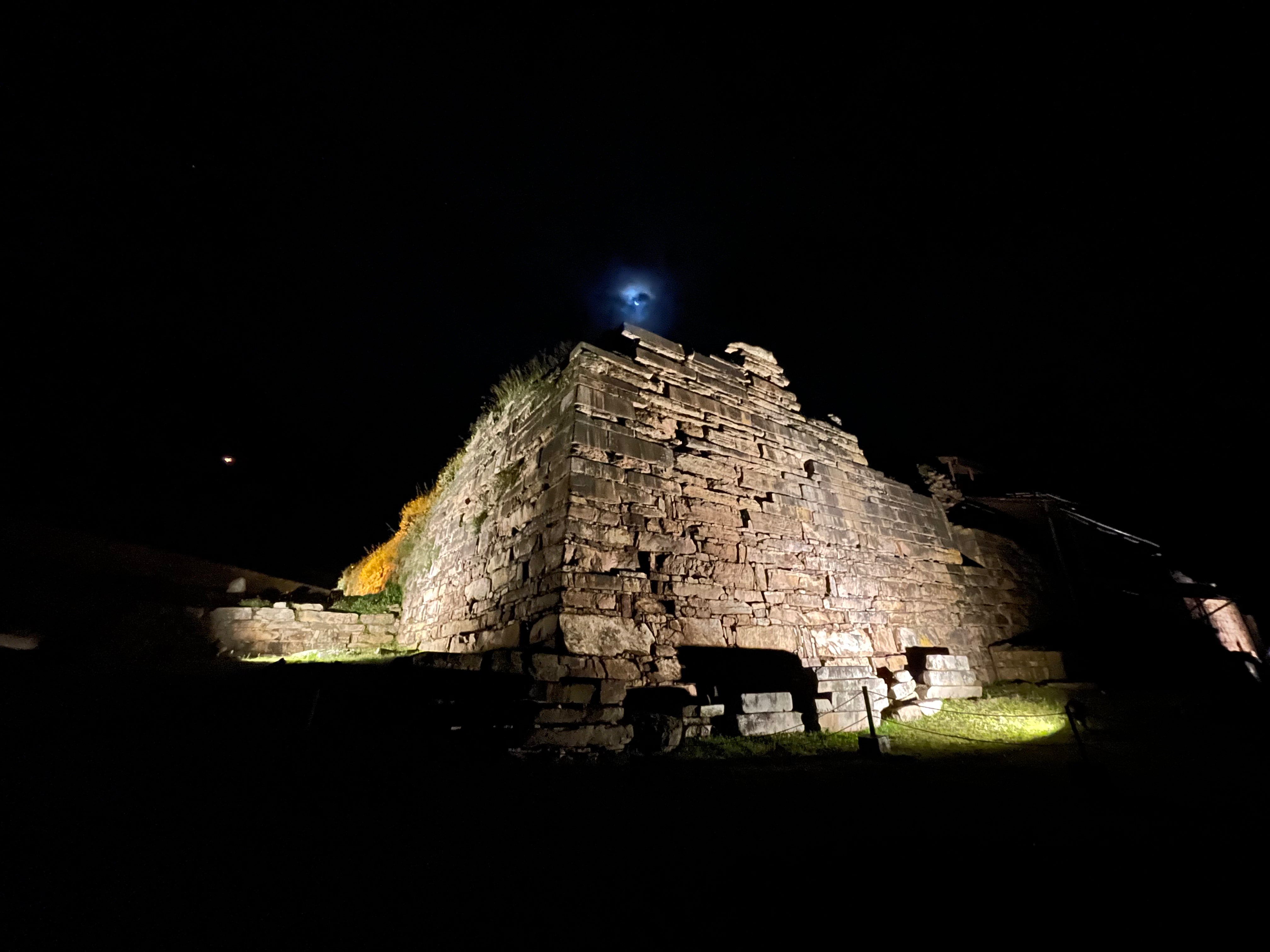
The Winter Solstice - Andean New Year
The Winter Solstice - Andean New Year
In the Southern Hemisphere, June 21 is the longest night - the point of maximum winter. In the Andean calendrical tradition, it is precisely this moment that marks the beginning of the new cycle.
Inti Raymi and Shumaq Rupay
The June solstice is known across the Andes by many names. In the southern Quechua tradition, the most widely known celebration is Inti Raymi - the Festival of the Sun - a ceremony of gratitude and reciprocity offered to the solar force at the moment of its most distant withdrawal. But it is also a celebration of the return: the sun has reached its furthest point, and from here it comes back.
In the Áncash tradition, the solstice is greeted with the phrase Shumaq Rupay - beautiful warmth, beautiful light - a greeting offered to the solar energy as it begins its return journey toward the southern lands. As my teacher says: “feliz solsticio de invierno para el hemisferio sur. Tiempo en donde el eje sur terrestre se aleja hasta el punto máximo con respecto al sol, instante en donde retorna la luz.” The moment in which the light returns.
The Andean cosmological calendar
The Andean calendar is not a linear sequence of months. It is a living cycle - organised around the movements of the sun, the agricultural rhythms of the land, and the ceremonial moments that mark the turning points between one phase and the next.
In the inward half of the year, seeds are held in the dark earth, and what is becoming gathers before it has become. In the Andean agricultural cycle, the winter months are the time after the harvest, when the land rests and the work of the next planting season is dreamed rather than done. This is not inactivity. It is the essential preparation - the turning inward that makes the outward possible.
Why KANTU launches today
KANTU arrives on this day with intention. The Ancestors wished to have their codes out in the world - and the Winter Solstice is the moment the Andean tradition recognises as a threshold, a crossing point, a tinkuy: the meeting of what has been and what is beginning.
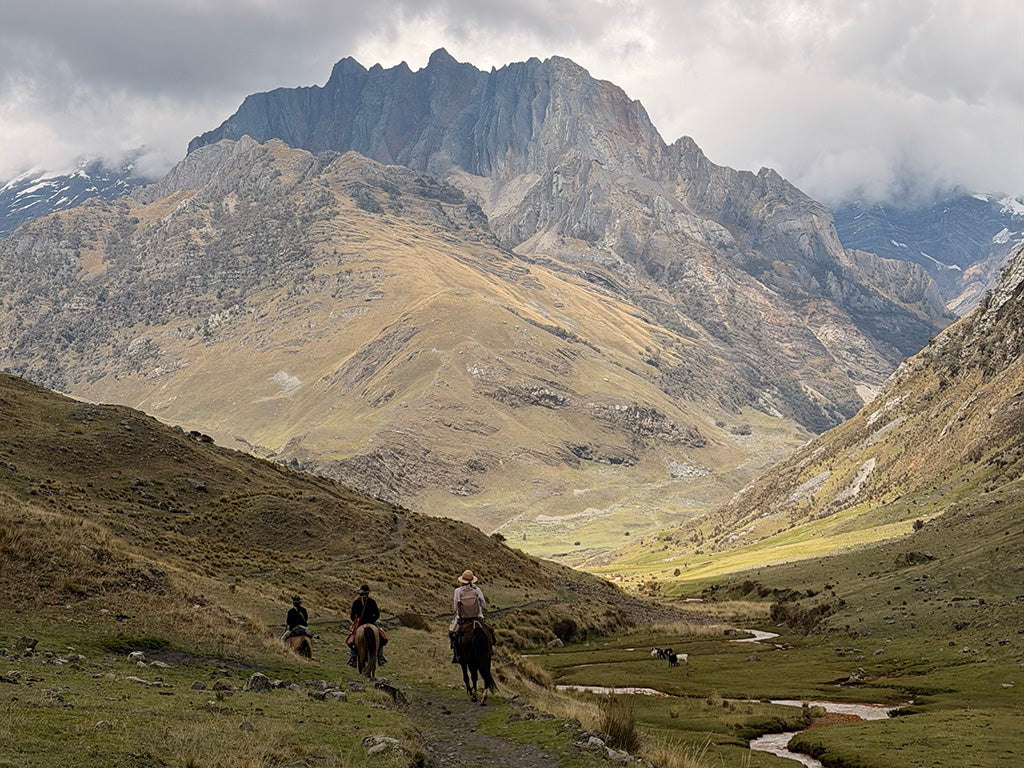
The pieces you find here today were made with care. They were dreamed in Peru and handcrafted in Bali. Before the production began, the first samples were taken to the Temple - presented to the Ancestors, and blessed. This collection does not begin with us. It begins with them.
And it arrives today, on the day when the long night holds, in its darkness, the certainty of the returning light.
Shumaq Rupay.
Adornment as remembrance.
Welcome to KANTU.

Leave a comment
This site is protected by hCaptcha and the hCaptcha Privacy Policy and Terms of Service apply.